In the design of a modern vehicle, optimizing the weight, space, and cost of each component is a constant priority for engineering teams. In this context, automotive wire forms represent a high-value technical solution: lightweight, strong metal components that can be adapted to complex geometries, manufactured from precision-formed steel wire.
Unlike conventional springs, wire forms are not designed to store or release elastic energy, but rather to perform specific functions such as retention, guidance, support, or fastening within vehicle systems, combining functionality with low weight and efficient assembly.
At RYPSA, we develop automotive wire forms using in-house engineering, advanced forming technology, and validation in accordance with automotive industry quality standards.
What are automotive wire forms?
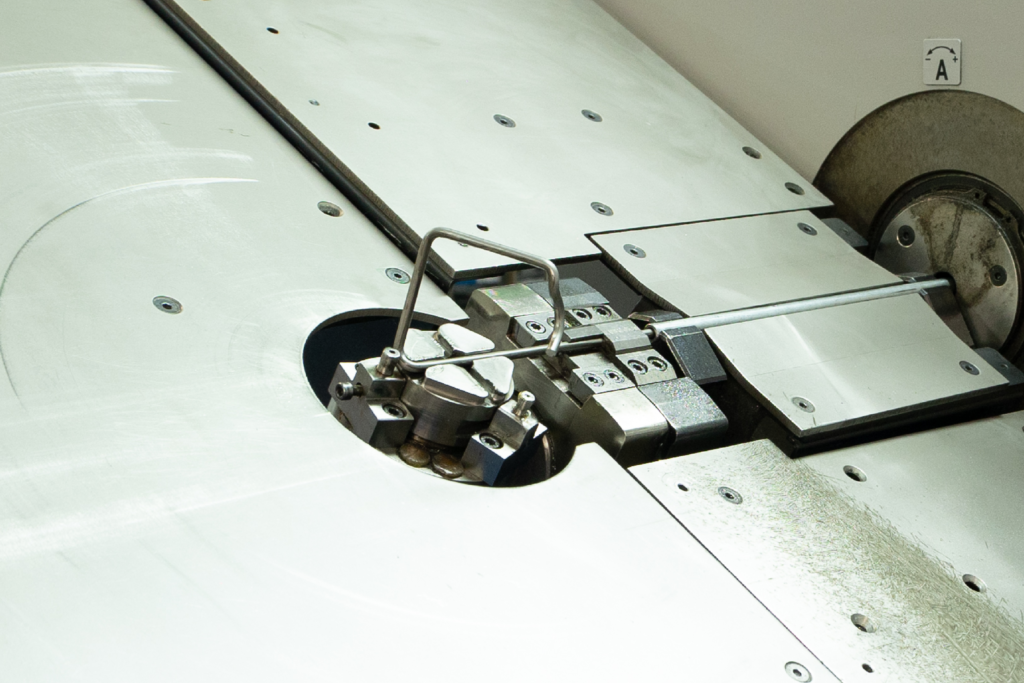
Automotive wire forms are metal components manufactured from steel wire of various gauges, shaped into two-dimensional or three-dimensional geometries through controlled bending and forming processes.
Its final geometry is determined based on the specific application within the vehicle, allowing for the creation of unique parts tailored to the functional and assembly requirements of each system.
Its main features include:
- Lightweight compared to equivalent stamped parts
- High design flexibility for complex geometries
- Compatibility with manual and automated assembly processes
- Ability to integrate multiple functions into a single unit
- Competitive costs for high-volume production
Applications of Wire Forms in Automotive Systems
Wire forms are found in a wide variety of vehicle systems, ranging from interior components to chassis and engine parts.
Among the most representative automotive applications are:
- Seating systems: backrest supports, cushion restraints, and adjustment guides
- Exhaust Systems: Pipe Clamps and Brackets
- Electrical Systems: Cable Harness Guides and Retainers
- Interior: panel fasteners, upholstery hooks, and dashboard brackets
- Engine systems: hose clamps and auxiliary component mounts
- Opening systems: trunk, cargo area, and sliding door mechanisms
In each application, the wire shape must meet specific geometric tolerances to ensure proper function within the assembly without causing interference or noise during vehicle operation.
Wire Form Engineering at RYPSA
The development of an automotive wire shape does not begin at the forming machine—it begins at the engineering stage, where the technical variables that will determine the part’s performance are defined.
At RYPSA, our in-house engineering team evaluates:
- Wire gauge and alloy based on the required functional load
- Minimum bending radius to prevent microcracks in the material
- Geometric tolerances at critical points on the part
- Surface Finish and Corrosion Protection Requirements
- Compatibility with the customer's assembly process
This in-house engineering capability allows us to develop prototypes quickly, make rapid adjustments to geometries, and scale up to mass production without compromising component quality.
NVH Noise Reduction with Precision Wire Shapes
One of the most significant challenges in the interior design and functional systems of modern vehicles is the control of noise, vibration, and harshness, known in the industry as NVH (Noise, Vibration, and Harshness).
Wire forms contribute to NVH control when they are properly designed and manufactured:
- Eliminates relative movement between components that causes squeaking
- They absorb micro-vibrations at panel mounting points
- They maintain controlled tension in restraint systems without overloading them
- Reduce the transmission of vibrations between metal and plastic structures
A component that is out of tolerance, on the other hand, can become a source of BSR (Buzz, Squeak, and Rattle) noises that directly affect the end user's perception of the vehicle's quality.
Conclusion
Automotive wire forms are highly engineered components that combine functionality, light weight, and assembly efficiency into a versatile technical solution for modern vehicle systems.
At RYPSA, we develop wire forms using specialized in-house engineering, precision forming processes, and quality control aligned with international automotive standards, ensuring reliability in every component we manufacture.